Organizing committee
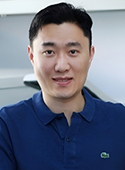
Liang Ge, Tsinghua University, China
题目:Stress-Induced endomembrane Remodeling: Cellular Function and Disease
葛亮,本科毕业于山东师范大学,博士毕业于中科院上海生化细胞所宋保亮院士实验室,随后,在美国加州大学伯克利分校Randy Schekman(2013诺贝尔奖)实验室做博后研究。2017年底加入清华大学生命科学学院,现为教研系列长聘副教授。
葛亮长期致力于膜生物学研究,在国际影响力期刊(Cell、Nature Cell Biology、eLife和Cell Research等)发表30多篇学术论文,现任中国细胞生物学学会副秘书长,中国生物物理学会膜生物物理分会常务委员,Science bulletin、Traffic、生物化学和生物物理进展编委;Science China Life Science青年编委;获得腾讯新基石探索奖、陈嘉庚青年科学奖、谈家桢生命科学创新奖、NIH Pathway to Independence Award等学术荣誉;获得基金委细胞器互作重大研究计划集成项目首席、国自然杰出青年基金、国自然重点项目等项目资助。
主要学术成就:1. 发现新型非经典分泌蛋白跨膜转运的分子通路THU, 解答了非经典分泌邻域无信号肽蛋白如何进入分泌途径的关键问题(Cell,2020), 发现TMED家族蛋白是非经典分泌货物转运体,初步解释非经典货物选择识别的分子机理(JCB,2026);解析非经典分泌不依赖高尔基体运输的机理(NCB, 2024), 并揭示THU通过调控IL-33分泌调节肠上皮分化和肠稳态功能(Cell Res,2024);2. 发现新型内膜体ERGIC-ERES互作调节自噬体的形成, 解答了细胞自噬领域自噬体膜来源和组装的重要问题(Cell Res,2022);3. 发现新型自噬受体CCT2介导固态聚集体的自噬降解为神经退行治疗提供新靶点(Cell,2022);4. 发现Ras突变癌症全新自噬过程RINCAA和新型自噬体RIMMBA,为治疗Ras突变癌症提供新型靶点(Cell Res,2025)。
Liang Ge received his bachelor’s degree from Shandong Normal University and his Ph.D. from the Institute of Biochemistry and Cell Biology, Chinese Academy of Sciences, under the supervision of Academician Baoliang Song. He then conducted postdoctoral research in the laboratory of Randy Schekman (2013 Nobel Laureate) at the University of California, Berkeley. He joined the School of Life Sciences at Tsinghua University at the end of 2017, and is currently a tenured Associate Professor.
Dr. Ge has long been devoted to membrane biology research. He has published more than 40 scientific papers in internationally influential journals, including Cell, Nature Cell Biology, eLife, and Cell Research. He serves as Deputy Secretary-General of the Chinese Society for Cell Biology, Executive Committee Member of the Membrane Biophysics Division of the Biophysical Society of China, and Editorial Board Member of Science Bulletin, Traffic, and Progress in Biochemistry and Biophysics, as well as a Young Editorial Board Member of Science China Life Sciences. He has received multiple academic honors, including the Tencent New Cornerstone Xplorer Prize, C.C. Tan Foundation Innovative Award in Biological Science, Tan Kah Kee Young Scientist Award, and the NIH Pathway to Independence Award. He has also been awarded major grants such as the NSFC Integrated Project of the Major Research Plan on Organelle Interactions, the NSFC Distinguished Young Scholar Grant
Major Scholarly Contributions:
- Discovery of the THU pathway, a molecular route for transmembrane translocation of non-classically secreted proteins, solving the key question of how signal peptide–lacking proteins enter the secretory pathway (Cell, 2020). He identified TMED family members as translocators for unconventional secretion explaining the mechanism of cargo selectivity (JCB, 2026). He further elucidated the mechanism by which unconventional secretion bypasses the Golgi apparatus (Nature Cell Biology, 2024) and demonstrated that THU regulates intestinal epithelial differentiation and homeostasis by controlling IL-33 secretion (Cell Research, 2024).
- Discovery of a new ERGIC–ERES interaction mechanism that regulates autophagosome biogenesis, answering an important question in the autophagy field regarding the membrane source and assembly of autophagosomes (Cell Research, 2022).
- Identification of CCT2 as a novel autophagy receptor mediating the autophagic degradation of solid protein aggregates, providing a new therapeutic target for neurodegenerative diseases (Cell, 2022).
- Discovery of two previously unknown autophagy pathways—RINCAA and RIMMBA—in Ras-mutant cancers, offering new targets for therapeutic intervention in Ras-driven malignancies (Cell Research, 2025).
« Go Back